
Looking For Commercial Due Diligence? Here Are 10 Things You Should Know Before Signing Anything
You're about to sign a deal that could make or [...]
The Ultimate Guide to Spotting Legal Red Flags: Everything You Need Before Signing Anything
Trust your instincts. Protect your interests. Know what matters. You're [...]
Looking For Commercial Due Diligence? Here Are 10 Things You Should Know Before Hiring an Investigator
You're about to drop serious money on a business acquisition. [...]
Online Dating Checks: Do You Really Need a Background Investigation? Here's the Truth
Trust. Connection. Safety. You've swiped right. The conversation is flowing. [...]
Internal vs External Investigations: When to Bring in Independent Support
Trust. Independence. Results. When serious allegations surface in your organisation, [...]
How to Avoid the Biggest Commercial Investigation Pitfalls in Complex Legal Disputes
Protect your assets. Win your case. Secure your future.
Complex legal disputes are high-stakes battles where the smallest oversight can lead to a total collapse. When you are embroiled in a commercial conflict, the quality of your investigation determines whether you walk away with a win or face a devastating loss.
We see it all the time: companies and individuals dive into a dispute with plenty of passion but zero strategy. They make avoidable mistakes that hand the advantage to their opponents.
At Zazinga Group, we help you navigate these murky waters. To help you stay ahead, we have identified the most common pitfalls in commercial investigations and, more importantly, how you can avoid them.
The Documentation Trap: When "Exhibit A" Becomes Your Biggest Liability
Documentation is the backbone of any legal dispute. If you didn’t record it, from a legal perspective, it didn’t happen. However, the pitfall isn't just a lack of documentation; it is poor documentation.
Your investigation report should be "Exhibit A" in any potential lawsuit. It needs to describe allegations clearly, summarize evidence accurately, and identify both consistent and conflicting witness statements. If your report is vague or lacks detail, it becomes a weapon for the opposing side to pick apart your credibility.
A common mistake is producing a report that concludes with "it's a he-said, she-said case." This is a failure of investigation. You cannot take appropriate commercial or legal action without definitive conclusions based on credible evidence.
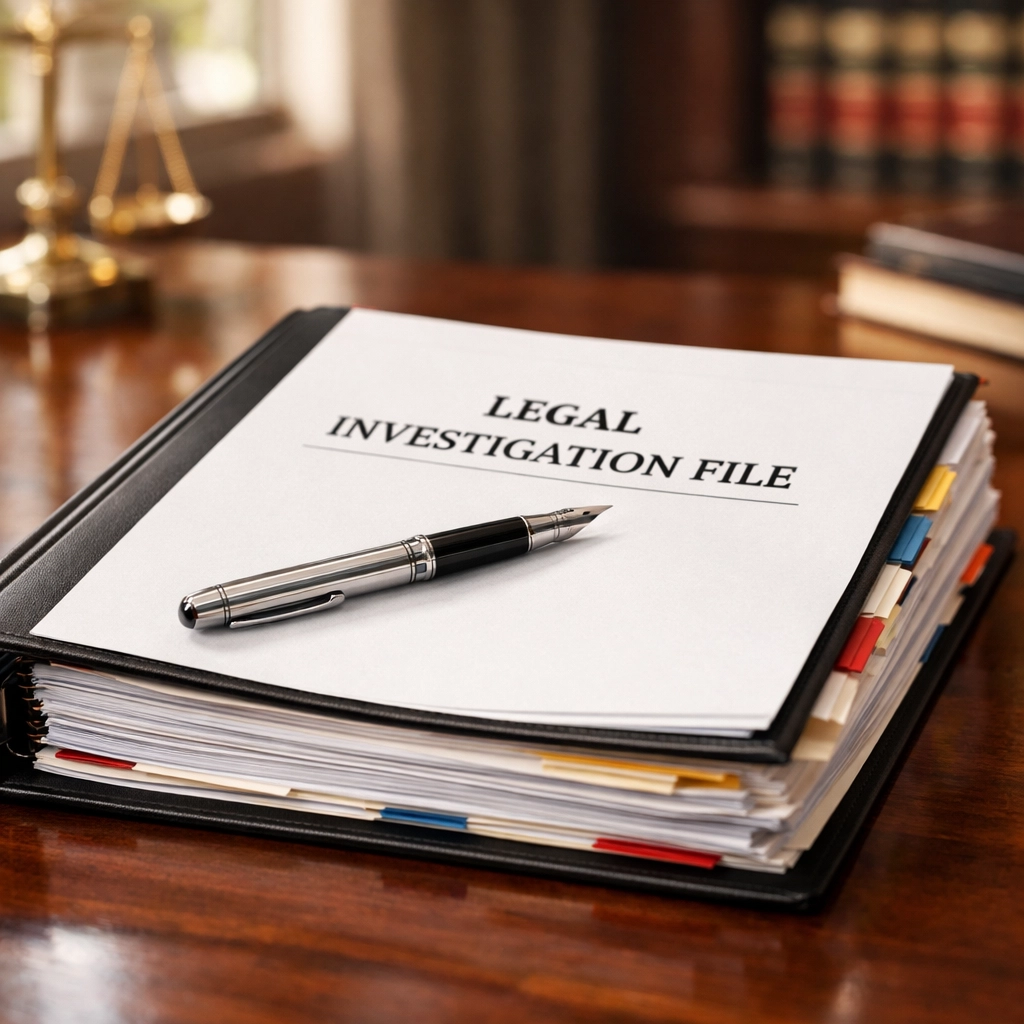
You need to ensure every interview is logged, every document is timestamped, and every piece of physical or digital evidence is tracked through a chain of custody. Without this level of detail, your evidence may be ruled inadmissible when you need it most.
If you are looking for more depth on how to handle these processes, explore our investigation services and insights to see how professionals structure their findings.
The Confirmation Bias Pitfall: Avoiding the "Witch Hunt"
It is human nature to want to be right. When an allegation of fraud or misconduct surfaces, it is easy to decide who is guilty before the investigation even begins. This is called confirmation bias, and it is a litigation killer.
When an investigator becomes convinced early on that one party’s version is true, they subconsciously steer the investigation to support that theory. They ignore evidence that contradicts their view and focus only on what confirms it. In court, this is easily framed as a "witch hunt."
To remain legally compliant and maintain your integrity, you must maintain impartiality. You need an investigator who asks the hard questions: even the ones that might undermine your original theory.
Remaining objective isn't just about fairness; it's about survival. If a judge or a jury senses bias, your entire case could be dismissed. We recommend using external, independent investigators to ensure that the process remains transparent and untainted by internal company politics.
Evidence Spoliation: The Danger of the "Delete" Key
In the digital age, evidence is everywhere: emails, Slack messages, WhatsApp chats, and server logs. The biggest pitfall we see is the failure to preserve this data once a dispute becomes "reasonably foreseeable."
You have a legal obligation to preserve all potentially relevant documents and electronic data. This is known as a litigation hold. If you or your employees delete emails or destroy documents after you know a dispute is brewing, you are committing evidence spoliation.
The consequences are severe. Courts can hit you with monetary penalties, adverse jury instructions (where the jury is told to assume the deleted evidence was bad for you), or even a default judgment against you.

As soon as a dispute starts, you must issue a formal litigation hold. This means stopping all routine document destruction policies. You need a team that understands digital forensics to capture and secure this data before it vanishes.
Whether it involves workplace fraud investigation or a commercial breach of contract, the "delete" key is your worst enemy.
The Lack of Candor: Why Hiding Facts From Your Legal Team Fails
We understand the temptation. You found a document or a fact that makes your position look bad, and you think, "Maybe if I don't mention it, it won't come up." This is a catastrophic mistake.
Withholding unfavorable facts or forgetting to mention key witnesses hampers your legal team’s ability to defend you. Your lawyers need the full picture: the good, the bad, and the ugly: to build a resilient strategy.
Remember, attorney-client privilege is there to protect these communications. There is no benefit to holding back. If your legal team is surprised by a "bad" fact in the middle of a deposition or a trial, they won't have a plan to mitigate the damage.
Professional honesty allows your team to address weaknesses head-on. If you're dealing with sensitive issues like civil and criminal investigations, total transparency with your counsel is the only way to ensure a robust defense.
The Superficial Investigation: Failing to Close the Loop
An incomplete investigation is often more dangerous than no investigation at all. If you start a process but fail to follow through on new leads, you leave a trail of "unanswered questions" that an opposing lawyer will exploit.
If a witness mentions another person who might have information, you must interview that person. If a financial audit suggests a secondary account, you must trace it. Leaving these loops open suggests that you were either negligent or, worse, trying to hide something.

Follow-through is what separates a professional investigation from a superficial one. When new information develops, you must follow it to its logical conclusion. Failure to "close the loop" leads to repeated complaints and escalated claims that could have been handled early on.
This is particularly true in high-stakes areas like fraud investigation services, where one missed transaction can hide a much larger conspiracy.
The Strategy: How to Conduct a Bulletproof Investigation
Now that you know the pitfalls, how do you do it right? You need a proactive, methodical approach that positions your business as the calm, capable party in the room.
- Define the Scope: Before you start, define exactly what you are investigating. This prevents the "scope creep" that leads to bloated costs and irrelevant data.
- Assemble the Right Team: Don't rely on HR alone for a complex commercial dispute. You may need forensic accountants, digital investigators, and specialist legal counsel.
- Secure the Data Early: Use professional tools to image hard drives and secure cloud data. Do not rely on employees to "save their own emails."
- Use Active Interview Techniques: Interviews should be structured but flexible. They need to be recorded or meticulously noted to ensure there is no "he-said, she-said" later.
- Review and React: An investigation is a living process. Regularly review findings with your legal team to adjust your strategy as new facts emerge.
For those dealing with modern threats, such as cryptocurrency fraud investigation, the speed of your reaction is often the deciding factor in whether assets are recovered.
Why Expertise Matters
You wouldn't perform surgery on yourself, and you shouldn't run a complex commercial investigation without expert guidance. The legal landscape in the UK is rigorous, and the courts have little patience for procedural errors.
At Zazinga Group, we provide the cutting-edge tools and seasoned expertise required to handle the most difficult disputes. We don't just find the facts; we present them in a way that stands up to the most intense legal scrutiny.

Whether you are a business owner facing an internal threat or an individual caught in a complex legal battle, the steps you take in the first 48 hours of an investigation will define the next two years of your life. Don't leave it to chance.
Take the Next Step
Don't let a simple mistake derail your legal strategy. If you are facing a complex dispute or suspect commercial misconduct, you need to act decisively and professionally.
Contact us now to discuss how we can support your investigation and protect your interests. Our team is ready to provide the clarity and results you need to move forward with confidence.
Ready to secure your case?
Contact Zazinga Group today and let our experts lead the way.
Zazinga Group: Advanced Investigation. Proven Results. Total Integrity.

Share This Story, Choose Your Platform!
Leave A Comment