
10 Reasons Your International Recovery Strategy Isn’t Working (And How to Fix It)
Results matter. Legal precision. Global reach. You’ve poured resources into [...]
Looking for an International Investigator? Here Are 10 Things You Should Know Before Crossing Borders
Expert insight. Global reach. Real results. When your problems cross [...]
Why Comprehensive Commercial Insights Will Change the Way You Handle Business Disputes
Clarity. Strategy. Resolution. When you’re running a business, disputes aren't [...]
International Investigation Matters: Why Cross-Border Expertise Is Your Best Legal Defense
Global reach. Ironclad defense. Proven results. The world is smaller [...]
How to Legally Recover Assets After Romance Scams: 5 Steps to Reclaim Your Life
Expert recovery. Proven results. Complete discretion. You thought it was [...]
Global Asset Tracing 101: A Beginner’s Guide to Mastering International Recovery
Expert recovery. Global reach. Real results. You’ve been wronged, and [...]
The Ultimate Guide to Fraud Investigation: Everything You Need to Succeed in Recovering Assets
Expert recovery. Proven results. Absolute discretion.
Discovering you have been a victim of fraud is a gut-punch. Whether it is a business partner skimming the books or a sophisticated cyber-scam, the feeling of violation is the same. You want your money back, and you want justice served.
At Zazinga Group, we know that panic is the enemy of recovery. To get your assets back, you need a cold, calculated, and professional response. This guide breaks down exactly how a high-level fraud investigation works and what you need to do to succeed.
The Reality of Fraud
Fraud is rarely a one-time event. It is often a systematic drain on your resources that has been happening right under your nose. The moment you suspect something is wrong, the clock starts ticking.
Evidence can be deleted, and funds can be moved through offshore accounts in seconds. You cannot afford to wait and "see what happens." You need to act with precision and speed to secure what is yours.

Phase 1: The Initial Assessment
Don't rush in blindly. The first step is determining if you actually have a case. We look for a "paper trail" or a digital footprint that proves intent and loss.
Ask yourself: What specific law was broken? Who had access? Are there red flags like an employee suddenly living way beyond their means? If the answers point to foul play, it is time to formalize the inquiry.
Check out our investigation services insights to see how we begin the vetting process. Identifying the scope early prevents you from wasting resources on dead ends.
Phase 2: Defining the Scope
Vague investigations are expensive and ineffective. You need to draw a circle around the problem. This means identifying the specific business units, time periods, and individuals involved.
We help you set clear boundaries. Are we looking at the last six months of wire transfers, or three years of payroll? Narrowing the focus ensures that the evidence we find is "clean" and admissible in court.
Establishing a timeline is critical. If you can't prove when it happened, it’s much harder to prove who did it. Contact us for a consultation if you're unsure where to start.
Phase 3: Building Your A-Team
You wouldn't ask a plumber to fix a computer, and you shouldn't ask a general lawyer to handle a complex fraud case. You need specialists who live and breathe asset recovery.
A typical team at Zazinga Group includes forensic accountants, cybersecurity experts, and legal strategists. We work together to bridge the gap between "finding the money" and "legally seizing the money."
In cases involving corporate entities, our workplace fraud investigation experts step in. We handle the heavy lifting so you can keep running your business.

Phase 4: Evidence Collection and Chain of Custody
This is where most amateur investigations fail. If you handle evidence incorrectly, it becomes useless in a courtroom. You must maintain a pristine "chain of custody."
We gather everything: bank statements, encrypted emails, audit logs, and even deleted metadata. Digital evidence is fragile, so we use advanced imaging techniques to preserve it exactly as it was found.
Reviewing personnel files is often a goldmine. We look for salary advances, unusual login times, or a sudden refusal to take a holiday. These are the classic signatures of a fraudster trying to keep their plates spinning.
Phase 5: The Power of Data Analytics
Modern fraud is digital. To find the needle in the haystack, we use cutting-edge data analytics. We don't just look at spreadsheets; we look for patterns that the human eye misses.
We analyze financial records for anomalies. This includes looking for duplicate invoices, "ghost" employees, or rounded-dollar transactions that look too clean to be real. By establishing a baseline of "normal" activity, the fraud sticks out like a sore thumb.
Tracing monetary transactions is the core of asset recovery. We follow the money through every shell company and offshore account until we find where it landed.

Phase 6: Interviews and the Human Element
Technology is great, but people usually provide the final piece of the puzzle. Conducting interviews requires a specific set of skills to avoid "tipping off" the suspect too early.
We start with whistleblowers and managers. We save the suspect for last, once we have enough evidence to corner them with facts. If you need support with legal proceedings during this phase, our McKenzie Friend services can provide the guidance you need in court.
Consistency is key. When stories change or contradictions appear, we know we’re getting close to the truth. Protecting whistleblowers is also a top priority to ensure the flow of information doesn't stop.
Phase 7: Reporting and Legal Action
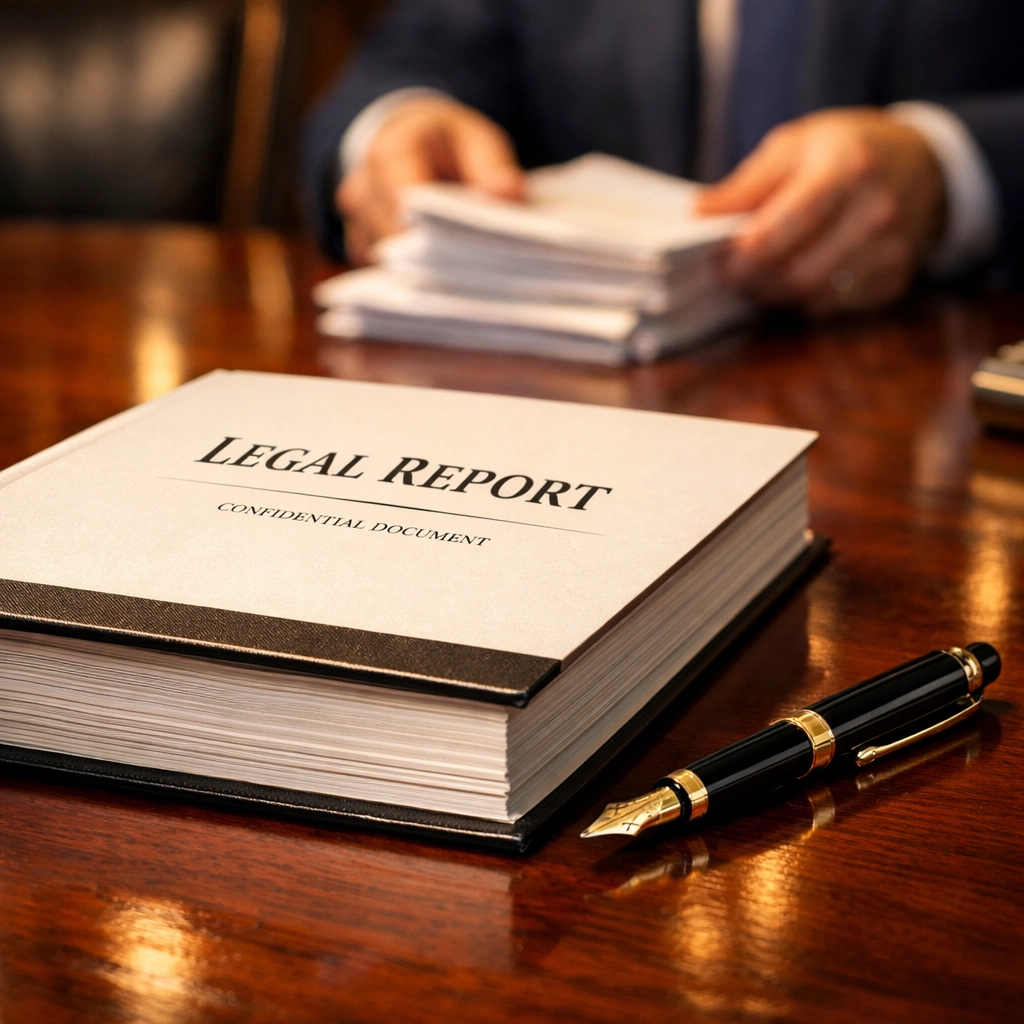
An investigation is only as good as the report it produces. We provide comprehensive documentation that outlines the methodology, the findings, and the total loss.
This report is your primary weapon for recovery. It needs to be clear enough for a judge to understand but detailed enough to withstand a defense attorney’s scrutiny. We don't deal in "maybes"; we deal in documented facts.
Whether it’s a civil claim or a criminal defence investigation, the quality of the report determines the outcome. We ensure your case is airtight before we take it to the authorities or the courts.
Phase 8: Recovering Your Assets
This is the goal. Recovery can take many forms: freezing orders, asset seizures, or negotiated settlements. We aim to deny the fraudster access to your funds immediately.
Recovery isn't just about the money; it’s about stopping the bleed. We help you implement new controls so this never happens again. This might involve updating your will writing or trusts to ensure personal assets are better protected from future liabilities.
Asset recovery is a marathon, not a sprint. You need a partner who will stay the course until every possible penny is returned to your account.
Phase 9: Preventing Recurrence
Once the dust settles, you must look at your vulnerabilities. Fraud is a lesson in where your business or personal finances were weak.
We conduct post-investigation assessments to see which controls failed. Was it a lack of oversight? A software vulnerability? Or just a misplaced sense of trust? We help you rebuild your systems to be "fraud-proof."
Don't wait for a second strike. Strengthening your compliance today is the best investment you will ever make. Explore our Sitemap for a full range of protective services we offer.
Why Choose Zazinga Group?
We aren't just a law firm; we are your tactical partners in recovery. We combine legal expertise with high-tech investigation tools to deliver results that others simply can't match.
Our approach is direct, professional, and focused entirely on your bottom line. We understand the stress you are under, and we are here to provide the calm, capable solution you need.
From probate services to family law, we handle sensitive cases with the respect and urgency they deserve.
Take the First Step
The longer you wait, the further your assets travel. If you suspect fraud, you need to act now. Every hour of delay is an hour the fraudster uses to cover their tracks.
Contact us today to discuss your situation in total confidence. We will help you assess the risk, build a plan, and start the process of getting back what belongs to you.
Stop the loss. Start the recovery. Contact Zazinga Group now.

Share This Story, Choose Your Platform!