
International Fraud Investigation Secrets Revealed: What Professional Scammers Don’t Want You to Know
Protect your assets. Uncover the truth. Secure your future. Scammers [...]
The Ultimate Guide to Legal Recovery for Romance Scams: Everything You Need to Succeed
Trust betrayed. Assets drained. Reality shattered. If you are reading [...]
Why Global Asset Tracing Will Change the Way You Handle Complex Legal Disputes
Find the money. Win the battle. Secure your future. You [...]
The Ultimate Guide to Fraud Investigation: Everything You Need to Succeed in Recovering Assets
Expert recovery. Proven results. Absolute discretion. Discovering you have been [...]
Why Comprehensive Commercial Insights Will Change the Way You Vet New Business Partners
Trust. Expertise. Results. You are about to sign a multi-year [...]
International Investigation Secrets Revealed: What Experts Don’t Want You to Know About Tracing Global Assets
Trust. Expertise. Results. You think your money is gone. You [...]
Is Your Online Date a Scammer? 10 Things Fraud Investigators Check in the First 5 Minutes
You've matched with someone incredible. They're attractive, successful, and somehow share every single one of your interests. Within hours, they're talking about your future together.
Sounds perfect, right?
Not to a fraud investigator. To them, it sounds like a textbook scam.
Romance fraud costs victims in the UK over £92 million annually. The emotional damage? Immeasurable. But here's the thing: fraud investigators can spot these scammers within minutes of looking at a conversation. They're trained to see patterns that your hopeful heart might miss.
Let's pull back the curtain. Here are the exact ten things professional investigators check when vetting an online date.
1. The Speed of Intimacy
Real question: How quickly are they falling for you?
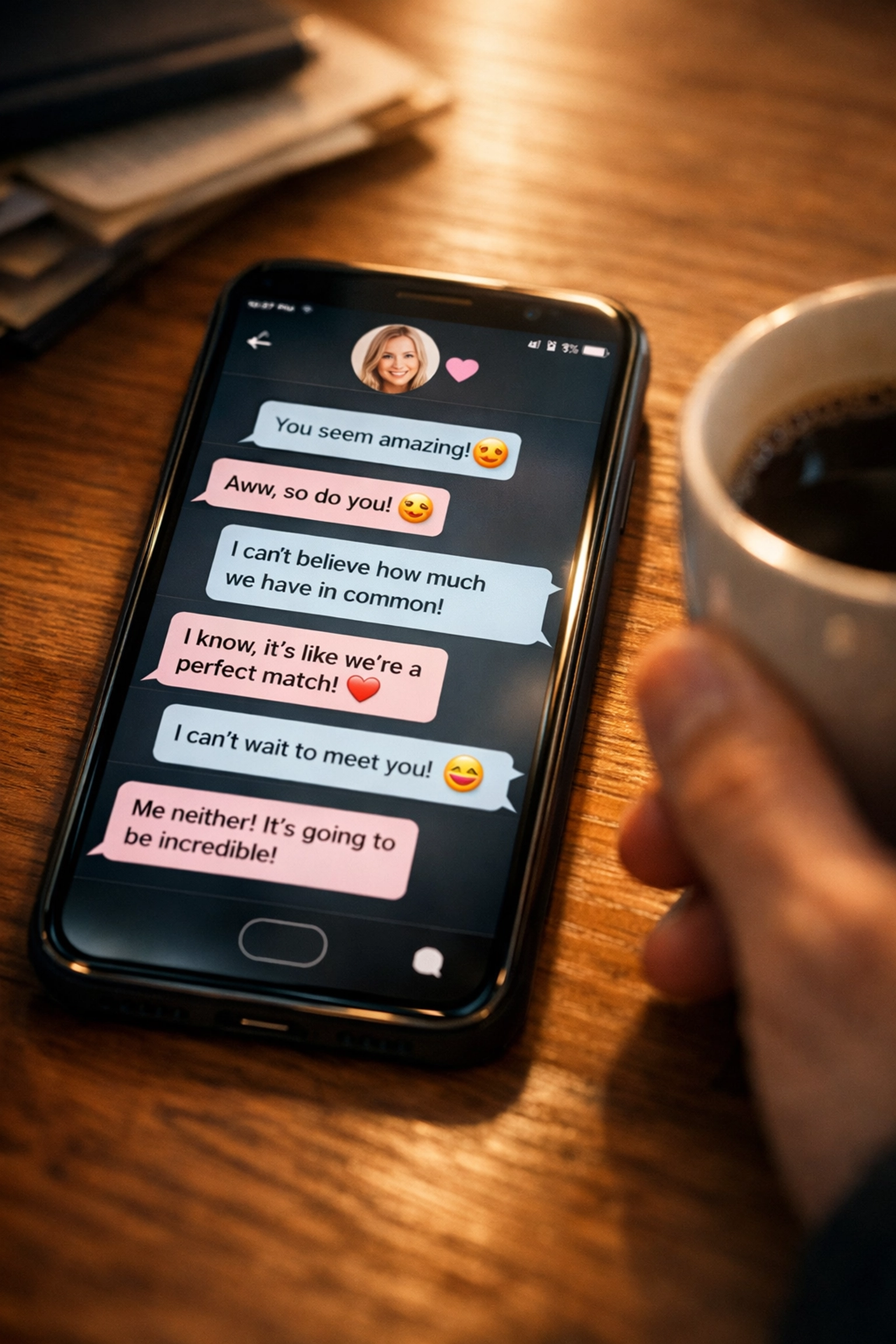
Scammers compress months of relationship building into days. They'll use phrases like "I've never felt this way before" or "You're my soulmate" within the first few messages. Investigators call this "love bombing": an intentional strategy to bypass your rational thinking.
Genuine connections develop gradually. If someone's professing deep feelings before they know your last name, that's a red flag the size of a billboard.
2. Writing Style Inconsistencies
Pay attention to how they write.
Fraud investigators look for two extremes: messages that are either too polished (suspiciously flawless grammar, as if written by AI) or oddly phrased with consistent spelling errors. You might see "I'v" instead of "I've" or awkward sentence structures that suggest translation software.
Real people have natural inconsistencies in their writing. They make typos. They use contractions casually. Scammers using scripts or templates don't.
3. Perfect Mirroring
They love hiking? You love hiking. They're close to their family? You're close to yours. They want three kids? Guess what: so do they.
This isn't serendipity. It's manipulation.
Investigators recognize that scammers study your profile and mirror your interests with uncanny precision. They're creating a false sense of compatibility to fast-track trust. Real people have genuine differences and don't align perfectly on every single value.
4. The "Too Good to Be True" Profile
Let's be honest about their profile. Are they suspiciously perfect?
Fraud investigators see the same archetypes repeatedly: attractive professionals who are doctors, engineers on oil rigs, or military personnel stationed overseas. They're financially successful yet emotionally vulnerable. They're looking for "real love" after a tragic past.
This combination is a constructed fantasy. Real people are more complex and considerably less polished.

5. Vague Answers to Specific Questions
Try this test: Ask them specific questions about their life.
Where exactly do they work? What's their daily routine like? What did they do last weekend?
Scammers respond with charm but minimal facts. They deflect with compliments or change the subject smoothly. Investigators note that scammers can't provide concrete details because they don't have a real backstory to draw from.
6. Scripted Responses
Read through your conversation history. Do their messages feel rehearsed?
Fraud investigators recognize patterns in phrasing: the same long paragraphs, identical tones, repeated expressions across different conversations. If their messages read like they're copied from a template, they probably are.
Scammers often work from scripts. Real people are spontaneous, sometimes awkward, and decidedly less polished.
7. Instant Response Times
They reply immediately. Every single time.
While 41% of romance scam victims report this pattern, most people interpret it as keen interest. Investigators see it differently: real people have jobs, sleep schedules, and lives. Consistent instant responses suggest someone whose full-time job is talking to you.
And that job? It's scamming you.
8. Quick Migration Off-Platform
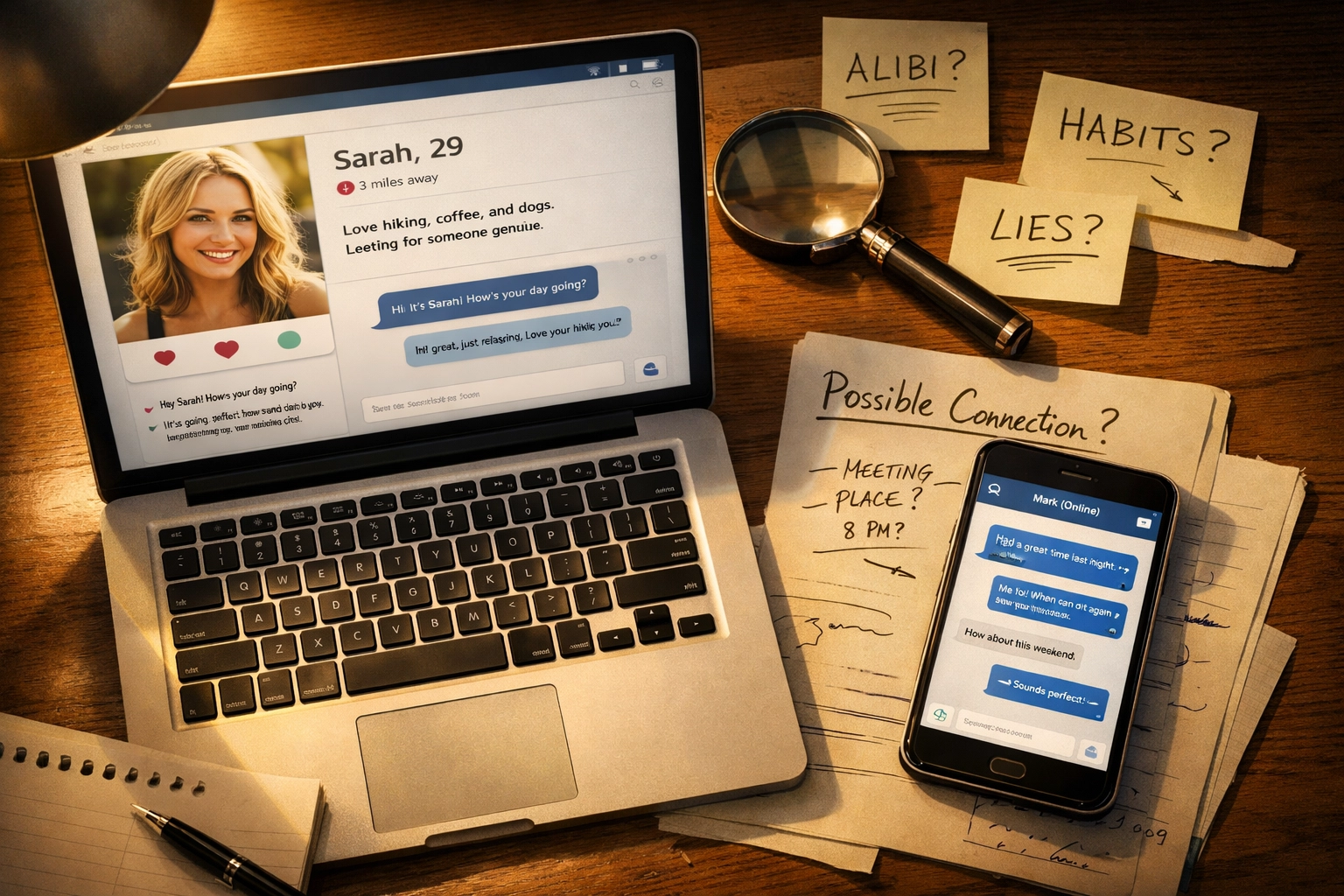
Within messages, they're suggesting you move to WhatsApp, Telegram, or Signal.
Here's why that matters: Dating platforms have built-in safety features and can monitor suspicious behavior. Scammers want to escape that oversight quickly. They'll create urgency: "I hate checking this app" or "It's easier to chat on WhatsApp": to move you to unmonitored channels.
Legitimate daters typically stay on the platform until they've established genuine trust. Scammers can't afford to.
9. Video Call Avoidance
This is the big one. Investigators know that video calls are kryptonite to scammers.
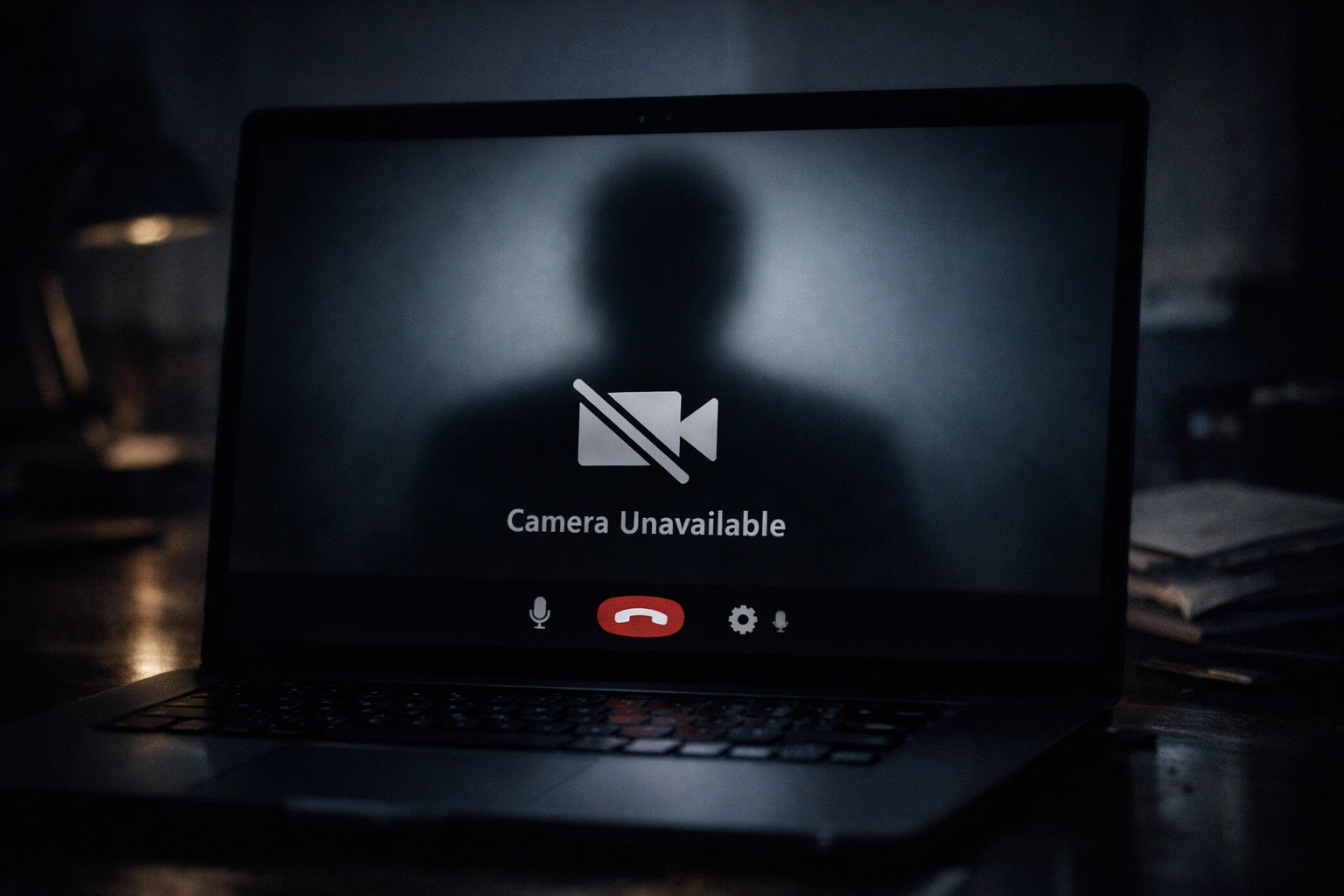
They'll have endless excuses: broken cameras, poor internet where they're stationed, trauma from a stalker, current illness. The excuses sound plausible individually, but the pattern reveals the truth: they can't show you their real face because they're not who they claim to be.
If someone consistently refuses video calls after weeks of conversation, you're not talking to your match. You're talking to someone using stolen photos.
10. Reverse Image Search Reveals Duplicates
Professional investigators run reverse image searches immediately.
Upload their profile photos to Google Images or TinEye. If those photos appear on multiple dating profiles, model portfolios, or social media accounts under different names, you've got your answer.
Many scammers now use AI-generated faces that look eerily perfect but slightly unnatural. If their photos look professionally shot yet they claim to be a regular person, that's worth investigating.
What Investigators Do Next
So you've spotted these red flags. Now what?
Professional fraud investigators don't just identify scammers: they build cases. They document conversations, trace digital footprints, and uncover networks. At Zazinga Group, our investigation team handles these cases regularly, working with individuals who need concrete evidence for legal action or closure.
Here's what you should do immediately:
Stop all communication. Don't confront them. Don't explain why you're leaving. Just block and report.
Save everything. Screenshot conversations, save emails, document any financial transactions. This evidence matters if you decide to report the fraud.
Report to Action Fraud. Contact Action Fraud at 0300 123 2040 or report online. Every report helps build intelligence about scammer networks.
Inform the platform. Most dating sites have dedicated fraud reporting features. Use them.
Talk to someone. Whether it's a friend or a professional, don't carry this alone. Romance scams exploit isolation.
Trust Your Instincts
Here's the truth that every fraud investigator knows: Your gut feeling is usually right.
If something feels off, it probably is. If the connection seems too perfect, it's likely manufactured. If you're asking yourself "Is this real?": that question itself is your answer.
Romance should feel natural, sometimes awkward, occasionally frustrating, but ultimately genuine. It shouldn't feel like a performance designed to impress you.
You deserve real connection. Real vulnerability. Real love.
Not a carefully crafted script designed to empty your bank account.
If you suspect you're being targeted by a romance scammer or need professional verification of someone's identity, our investigation services can help. We work discreetly, efficiently, and with the expertise that comes from years handling complex fraud cases.
Protect your heart. Protect your finances. And remember: in the world of online dating, healthy skepticism isn't cynicism. It's self-preservation.

Share This Story, Choose Your Platform!