
Is Your Online Date a Scammer? 10 Things Fraud Investigators Check in the First 5 Minutes
You've matched with someone incredible. They're attractive, successful, and somehow [...]
The ‘I Love You’ That Cost £50,000: How to Spot a Professional Scammer Before You Send a Penny
Three months of messages. Two hundred hours of phone calls. [...]
Your Investigation Data Won’t Hold Up in Court: How to Fix Your Evidence Trail Before Regulators Ask
Here's the uncomfortable truth: most companies collecting investigation data right [...]
Is Your Legal Team Prepared for a Multi-Jurisdiction Investigation? Here’s the Truth
Trust. Expertise. Results. Here's a question that should keep you [...]
Commercial Due Diligence Gone Wrong: 10 Reasons Your M&A Deal Is at Risk (And What to Do About It)
You're about to close the deal of your career. The [...]
10 Reasons Your Investigation Evidence Won’t Hold Up in Court (And How to Fix It)
Evidence Gets Tossed. Daily. You spent months building your case. [...]
Are You Making These Common Investigation Mistakes? A Straight-Talking Guide for Businesses
Look, we need to talk about workplace investigations. Because frankly, most businesses are getting them wrong.
Not through malice or incompetence, just through lack of proper structure, rushed timelines, and tools that haven't kept pace with modern compliance demands. The result? Flawed findings, legal exposure, and reputational damage that could have been avoided.
Here's the straight truth: investigation failures are predictable and preventable. Let's walk through the seven most common mistakes we see, and more importantly, how to fix them.
Mistake #1: Letting Your Investigation Spiral Out of Control
You start investigating a single harassment complaint. Then a witness mentions something else. Then another issue surfaces. Before you know it, you're juggling five interconnected cases with no clear endpoint.
This is scope creep, and it kills investigation quality.
When your investigation loses focus, your findings become unclear, your reports incomprehensible, and your credibility shot. Stakeholders lose confidence when they can't understand what you actually investigated or concluded.
The fix is simple: Define your objectives upfront. Tie your investigation to specific policy violations or business risks. Get HR, legal, and compliance aligned before you start, not halfway through when someone decides to add "just one more thing."

Mistake #2: Filtering Everything Through Your First Impression
Here's a hard truth: investigators often decide who's guilty within the first 48 hours, then spend the rest of the investigation confirming their initial hunch.
This isn't conscious bias, it's human nature. But it transforms legitimate investigations into witch hunts.
Once you're convinced of one party's version of events, you start steering interviews that direction. You weigh evidence differently. You ask leading questions without realizing it.
Your solution: Assign neutral investigators with zero prior connection to the parties involved. Use written investigation plans and checklists before reviewing any evidence. Require your team to document their initial assumptions, then revisit them halfway through. And yes, unconscious bias training actually helps here.
If you're struggling with internal bias concerns, our guide on internal vs. external investigations breaks down when to bring in independent support.
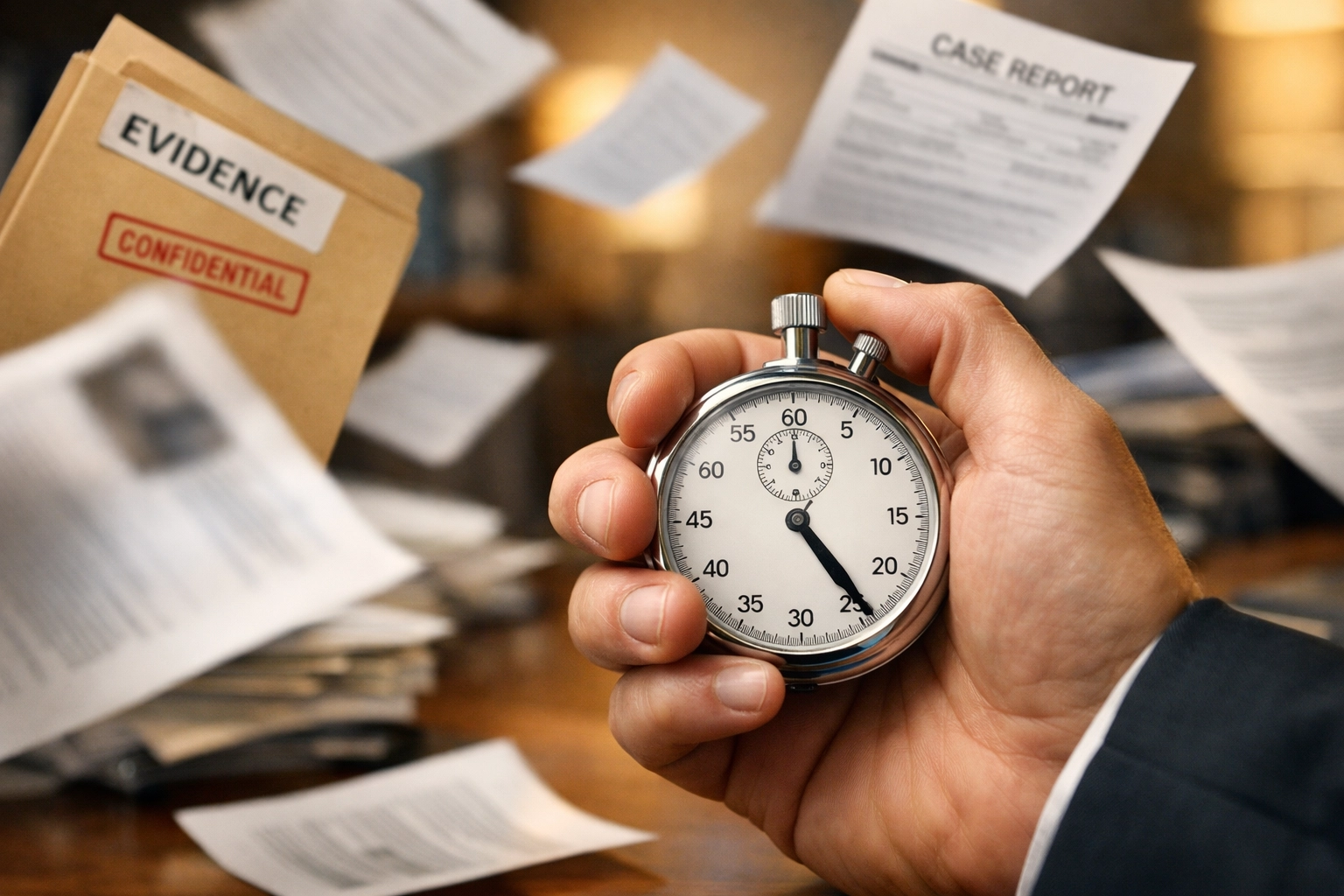
Mistake #3: Prioritizing Speed Over Accuracy
Over half of investigators face internal pressure to close cases quickly. We get it: leadership wants answers, HR wants resolution, and everyone wants this situation to disappear.
But rushing investigations creates long-term disasters.
Overlooked evidence leads to flawed conclusions. Incomplete documentation weakens your audit trail and exposes you to regulatory fines. Missed corrective actions leave systemic issues festering beneath the surface.
And here's what really grinds our gears: investigators who throw their hands up and say "conflicting accounts mean we can't determine what happened." In most cases, thorough evidence analysis, credibility assessment, and motive evaluation should enable clear findings.
Your approach: Build realistic timelines upfront. Push back against artificial deadlines. Invest proper time in evidence review, credibility determination, and root cause analysis. Your future self will thank you when the findings hold up under scrutiny.

Mistake #4: Using Tools Built for Anything But Investigations
Picture this: evidence scattered across email threads, witness statements buried in shared drives, case notes trapped in individual spreadsheets. Sound familiar?
Sixty-six percent of investigators struggle to access case evidence because they're using disconnected tools that were never designed for investigation work.
This creates delays, lost information, and serious compliance risks. When you can't quickly pull together a complete case file, you can't respond to audits, regulatory requests, or legal challenges.
And don't get us started on generic intake forms. Fraud investigations require transaction logs and financial data. Workplace misconduct cases need witness statements and policy violation details. One-size-fits-all forms leave you without the information you actually need.
What works: Implement centralized investigation management systems. Assign tailored intake forms based on investigation type. Enable cross-functional access without creating bottlenecks. Your investigation quality will improve overnight.
Mistake #5: Choosing the Wrong Person for the Job
You assign the investigation to Sarah in HR because she's available. Or to Mark, the department manager, because he knows the team.
Both choices are landmines.
Sarah might be juggling fifteen other priorities, preventing thorough investigation. Mark has preconceived notions about the parties involved: or worse, a conflict of interest that undermines the entire process.
Choosing inappropriate investigators exposes you to legal disputes and biased findings that won't survive challenge.
Better approach: Select investigators based on neutrality, availability, and relevant expertise: not just convenience. For sensitive cases, seriously consider external specialists who bring independence and credibility. Sometimes the investment in external investigation support protects you from far costlier mistakes.
Mistake #6: Conducting Interviews That Miss the Point
Your interview technique determines investigation quality. Ask leading questions, and you'll get skewed answers. Fail to ask open-ended inquiries, and you'll miss critical facts.
We see investigators who interrogate rather than interview. Who telegraph what they want to hear. Who fail to follow up on obvious inconsistencies because they're rushing to the next meeting.
And beyond interviews, investigators frequently overlook relevant evidence hiding in plain sight: emails, transaction records, security footage: because they haven't established systematic evidence collection protocols.
Your framework: Develop standardized interview protocols with open-ended questions. Train your investigators on proper questioning techniques. Create evidence collection checklists that prevent critical oversights. Document everything with contemporaneous notes, not memory-based summaries written days later.
The difference between spotting fraud and missing it often comes down to asking the right questions. Our guide to spotting fraud covers the warning signs most people overlook.
Mistake #7: Operating Without Clear Protocols
Here's what happens when you lack established investigation protocols: inconsistent approaches, missed steps, inadequate documentation, and zero institutional knowledge transfer.
Every investigation becomes a fresh adventure with different standards, different procedures, and different outcomes for similar situations. This creates legal vulnerability and employee distrust.
Your organization needs well-defined policies that require immediate action on workplace complaints, qualified investigator assignment, confidential documentation storage, and transparent communication about outcomes.
Build your foundation: Establish clear investigation protocols before you need them. Define roles, responsibilities, and decision-making authority. Create templates for documentation. Set standards for evidence preservation and confidentiality. Make investigation procedures part of your compliance framework, not an afterthought.
Mistake #8: Failing to Connect Investigations to Business Risk
When investigations exist in a vacuum: disconnected from organizational policies and key business risks: they lose credibility and leadership support.
Nearly a quarter of investigators cite insufficient senior-level support because they can't effectively communicate outcomes to leadership. If you can't articulate how your investigation addresses actual business risks, don't be surprised when executives deprioritize investigation resources.
Your communication strategy: Clearly demonstrate how each investigation connects to business risk. Frame findings in terms leadership understands: regulatory exposure, reputational damage, operational disruption, financial impact. Show how proper investigation prevents larger problems down the line.

The Bottom Line
Investigation mistakes aren't inevitable: they're correctable.
The businesses that get investigations right share common traits: clear scope definition, neutral investigators, proper tools, adequate timelines, and systematic protocols. They resist pressure to rush. They invest in proper training. They understand that thorough investigation work prevents far costlier problems.
You don't need to make these mistakes to learn from them. We've seen what works and what fails across hundreds of investigations spanning fraud, compliance breaches, workplace misconduct, and everything in between.
Want to ensure your investigation approach actually works? Get in touch and let's talk through your specific situation. Because the time to fix your investigation process is before you need it( not after things have already gone wrong.)

Share This Story, Choose Your Platform!