
10 Reasons Your International Recovery Strategy Isn’t Working (And How to Fix It)
Results matter. Legal precision. Global reach. You’ve poured resources into [...]
Looking for an International Investigator? Here Are 10 Things You Should Know Before Crossing Borders
Expert insight. Global reach. Real results. When your problems cross [...]
Why Comprehensive Commercial Insights Will Change the Way You Handle Business Disputes
Clarity. Strategy. Resolution. When you’re running a business, disputes aren't [...]
International Investigation Matters: Why Cross-Border Expertise Is Your Best Legal Defense
Global reach. Ironclad defense. Proven results. The world is smaller [...]
How to Legally Recover Assets After Romance Scams: 5 Steps to Reclaim Your Life
Expert recovery. Proven results. Complete discretion. You thought it was [...]
Global Asset Tracing 101: A Beginner’s Guide to Mastering International Recovery
Expert recovery. Global reach. Real results. You’ve been wronged, and [...]
International Investigation Secrets Revealed: What Romance Scam Investigators Don’t Want You to Know
The Truth About Romance Scam Investigations
Here's what most investigators won't tell you upfront: the majority of romance scam cases never lead to prosecution. Not because they're not trying, but because these cases are incredibly complex, cross multiple jurisdictions, and involve sophisticated criminals who know exactly how to disappear.
You've been told that reporting to authorities will solve your problem. That filling out that form will lead to justice. The reality? Your case is competing with thousands of others, and unless you understand how these investigations actually work, you're already behind.
Your Bank Knows More Than You Think
Financial institutions aren't just processing your transactions. They're watching. Analyzing. Flagging.
Here's what triggers their systems:
Pattern recognition identifies you immediately. Multiple payments to overseas accounts over short periods. Sudden cryptocurrency purchases when you've never used crypto before. Wire transfers to jurisdictions known for fraud operations. Your first-ever payment to a money transfer service gets manually reviewed.

They're correlating data points you didn't know existed. Your recent activity on dating sites. That personal loan you just took out. The fact that you're now sending money to recipients with known fraud histories. These markers create a profile that screams "potential victim."
The uncomfortable truth: Your bank might know you're being scammed before you do.
But here's the problem. When they call to ask about your transaction, you don't tell them the truth. You say it's for "business" or "helping a friend." This isn't your fault: the scammer has coached you on exactly what to say. That script in your head? It's designed to bypass detection.
How Law Enforcement Actually Tracks These Criminals
International investigators use decision intelligence platforms that make spy movies look outdated. They're fusing data from sources you wouldn't imagine: cryptocurrency wallets, internet service providers, social media accounts, web records, even deleted profiles.
They build unified profiles by connecting dots across platforms. That phone number your "partner" gave you? It's linked to seventeen other social media accounts. The crypto wallet address? Connected to known criminal networks operating across five countries.
Machine learning algorithms triage cases automatically. They're prioritizing based on fund amounts, victim counts, and the size of the criminal network. Your case might be devastating to you personally, but if you lost £5,000, you're in a queue behind victims who lost £50,000 or more.
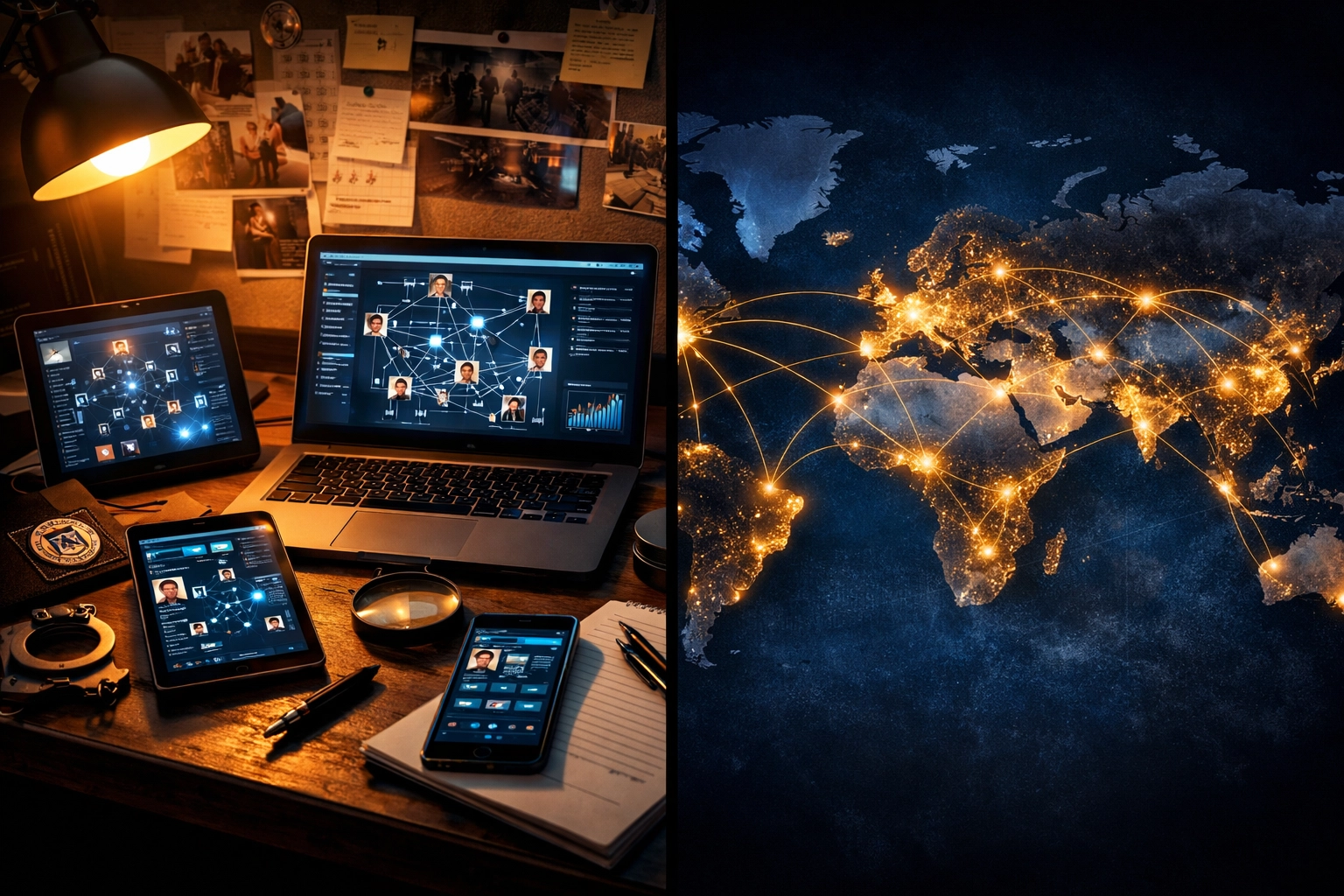
De-anonymization techniques are getting better. Investigators correlate seemingly unrelated data: matching phone numbers to registered entities, linking IP addresses to physical locations, tracing cryptocurrency transactions through multiple wallets.
But here's what they won't emphasize in their initial conversations with you: these investigations take months, sometimes years. The person who scammed you has already moved on to the next victim. They operate from jurisdictions with limited cooperation agreements. They use fake accounts that lead nowhere.
Why Your Case Will Probably Fail (And How to Change That)
Let's be direct about the challenges.
Cross-border complications are massive. Your scammer is likely in Nigeria, Ghana, Malaysia, or the Philippines. Even when investigators identify suspects, extradition is complex, expensive, and politically fraught. Local authorities in those countries are overwhelmed with their own cases.
The evidence trail disappears quickly. Social media accounts get deleted. Dating profiles vanish. Payment processors have limited retention policies. That urgent feeling you have to report immediately? It's valid. Every day you wait, crucial evidence disappears.
Documentation gaps sink cases before they start. You deleted embarrassing messages. You didn't screenshot the profiles. You can't remember exact dates or amounts. Investigators need comprehensive records, and emotional distress makes people terrible record-keepers.
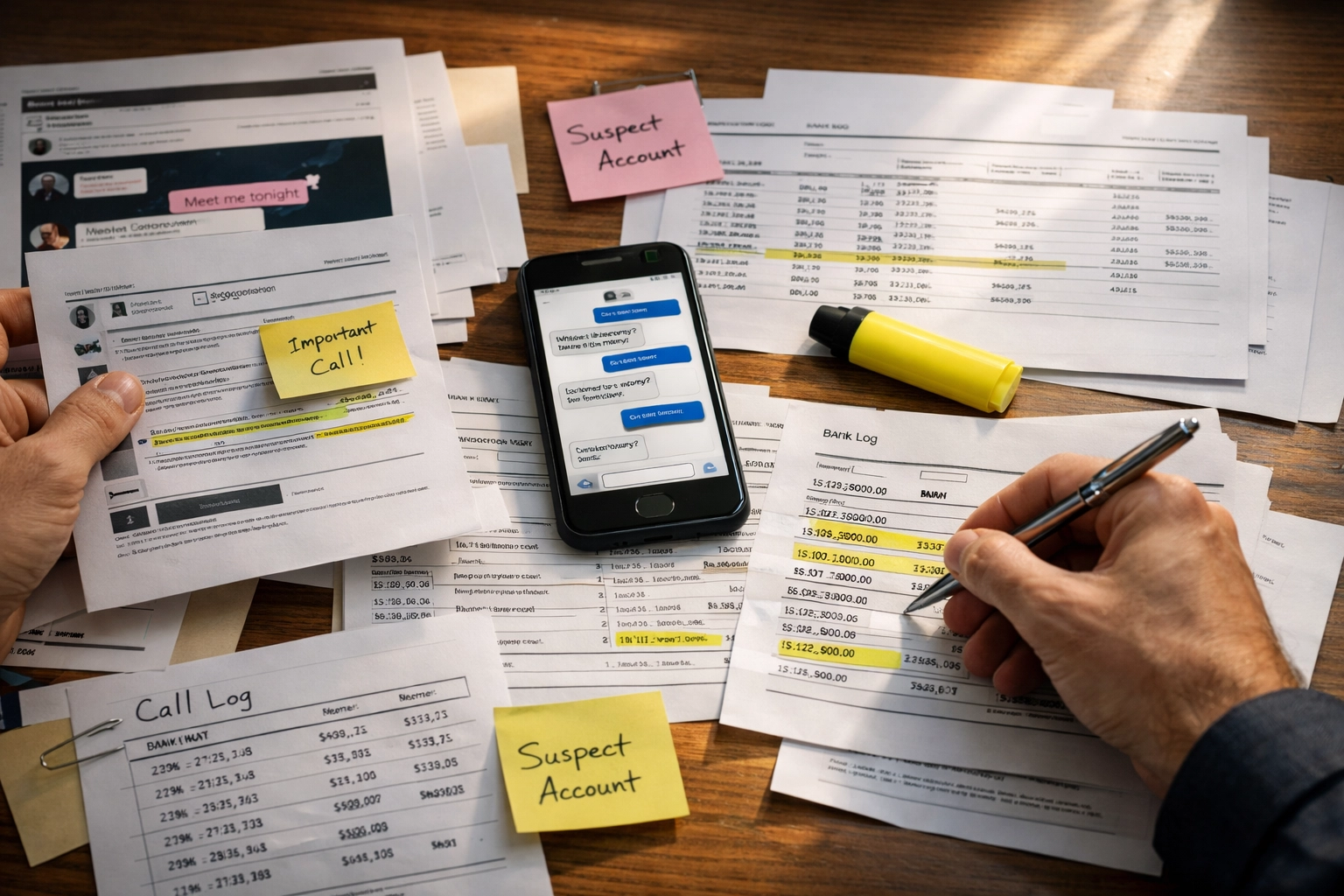
Here's what strengthens your case immediately:
Preserve everything. Screenshots with timestamps. Full message histories. Transaction records with recipient details. Any documents or identification they provided, no matter how fake they seem. Email headers showing origin points.
Report correctly. Action Fraud in the UK is your starting point, but also report to the social media platforms, dating sites, and payment processors involved. Each report creates a data point that helps identify patterns.
Get professional support early. Firms specializing in investigation services can help build comprehensive evidence packages before you approach law enforcement.
The Red Flags Investigators See That You Miss
You think you're being careful. But investigators can spot romance scam victims from specific behavioral patterns.
Financial red flags include: Taking out loans or credit cards suddenly. Accessing retirement accounts early. Selling assets quickly. Making multiple small withdrawals to avoid triggering large transaction reports. Converting cash to cryptocurrency.
Communication patterns reveal everything. Constant messaging at odd hours. Using multiple communication platforms. Increased secrecy about phone usage. Defensive reactions when friends or family ask about the relationship.
Emotional manipulation indicators: Rapid escalation of intimacy. Declarations of love within weeks. Crisis situations requiring immediate financial assistance. Promises of in-person meetings that always get postponed. Stories involving travel complications, medical emergencies, or business opportunities.
What Happens When You're Already a Victim
First, stop sending money immediately. This seems obvious, but emotional manipulation is powerful. The person you're communicating with will create urgency, guilt, and fear to keep the money flowing.
Document your losses comprehensively. Every transaction, every conversation, every promise made. This becomes crucial for any civil recovery attempts, insurance claims, or future legal proceedings.
Report to authorities, but manage your expectations. Your report creates an official record and contributes to intelligence databases that help protect future victims. Immediate recovery is unlikely. Prosecution is uncertain.
Consider civil recovery options. While criminal prosecution may be difficult, civil procedures sometimes offer better recovery prospects, especially if funds are still traceable. Legal professionals can assess whether pursuing asset tracing makes economic sense for your situation.

Protect yourself from follow-up scams. Victim lists get sold to other criminals. You'll be targeted by "recovery scammers" claiming they can get your money back for an upfront fee. The cycle continues unless you break it.
How to Protect Yourself Moving Forward
Never send money to someone you haven't met in person. Period. No exceptions. No matter how compelling the story.
Verify independently. Reverse image search profile photos. Check claimed credentials through official channels. If someone claims to be deployed military, working on an oil rig, or stuck overseas, contact the relevant authorities to verify.
Trust your instincts. That uncomfortable feeling? That's your subconscious recognizing manipulation patterns. Listen to it.
Maintain boundaries. Scammers push for quick intimacy and private communication channels because it isolates you from people who might recognize the scam.
Take Control Now
Understanding how investigations actually work gives you power. You're not helpless, but you need to be strategic.
If you're currently involved with someone online requesting money, stop and reassess immediately. If you've already lost funds, document everything and seek professional guidance quickly.
At Zazinga Group, we've seen how proper evidence collection and strategic reporting make the difference between cases that go nowhere and cases that achieve results. The investigation process is complex, but you don't have to navigate it alone.
Contact us for confidential consultation about your situation. We provide practical, actionable guidance based on what actually works in international fraud investigations: not what sounds good in theory.
Your case deserves professional attention. Don't let it become another statistic.

Share This Story, Choose Your Platform!