
International Fraud Investigation Secrets Revealed: What Professional Scammers Don’t Want You to Know
Protect your assets. Uncover the truth. Secure your future. Scammers [...]
The Ultimate Guide to Legal Recovery for Romance Scams: Everything You Need to Succeed
Trust betrayed. Assets drained. Reality shattered. If you are reading [...]
Why Global Asset Tracing Will Change the Way You Handle Complex Legal Disputes
Find the money. Win the battle. Secure your future. You [...]
The Ultimate Guide to Fraud Investigation: Everything You Need to Succeed in Recovering Assets
Expert recovery. Proven results. Absolute discretion. Discovering you have been [...]
Why Comprehensive Commercial Insights Will Change the Way You Vet New Business Partners
Trust. Expertise. Results. You are about to sign a multi-year [...]
International Investigation Secrets Revealed: What Experts Don’t Want You to Know About Tracing Global Assets
Trust. Expertise. Results. You think your money is gone. You [...]
10 Reasons Your Investigation Evidence Won’t Hold Up in Court (And How to Fix It)
Evidence Gets Tossed. Daily.
You spent months building your case. You gathered witness statements, collected documents, compiled digital records. Then the judge excludes your evidence on a technicality.
It happens more than you think. Investigation evidence fails in court for predictable, preventable reasons. Let's fix that.
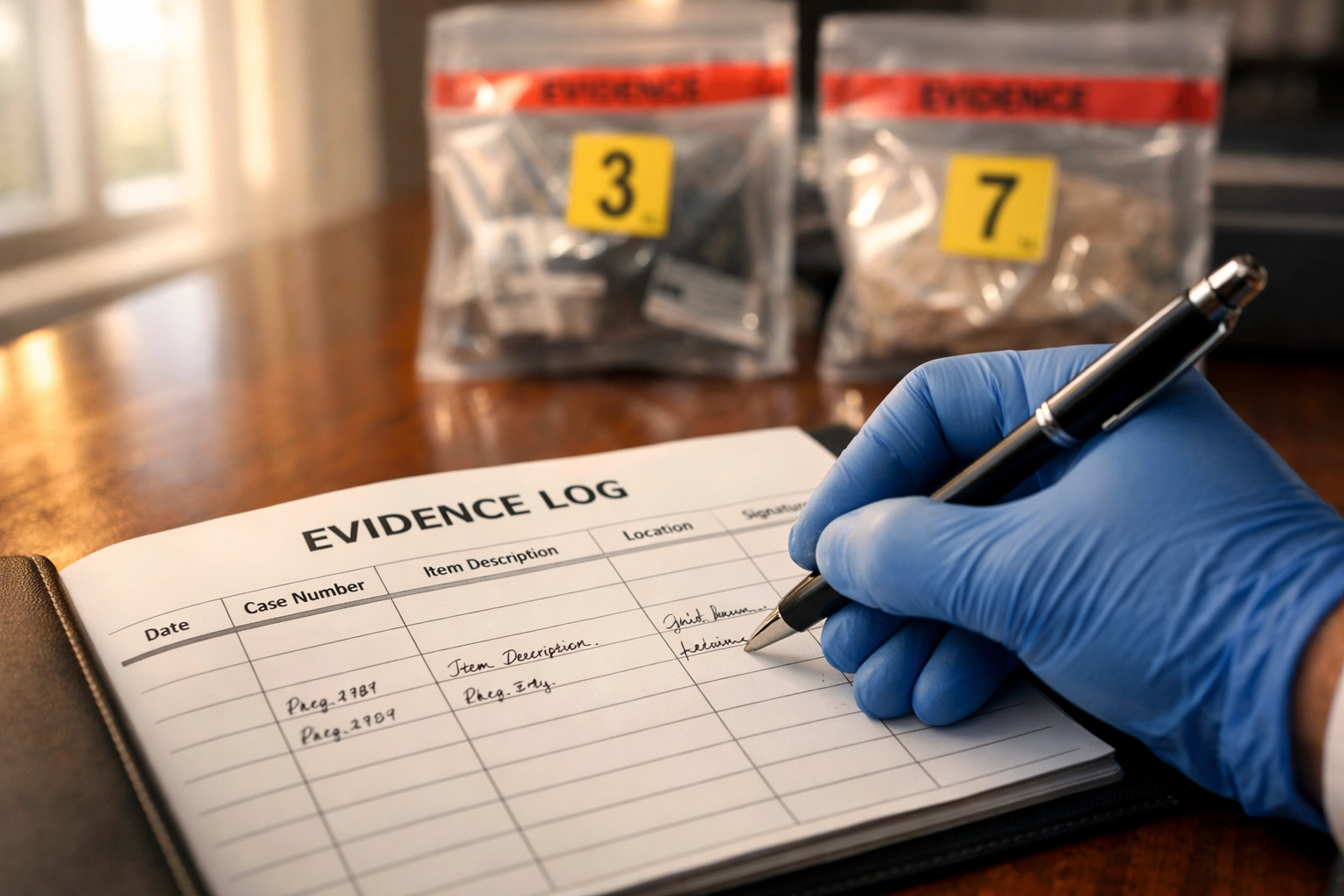
1. You Broke the Chain of Custody
Every piece of evidence has a story. Who collected it? When? Where did it go next? Who handled it?
If you can't answer these questions with documentation, your evidence is worthless. Courts demand an unbroken chain of custody from collection to courtroom.
The Fix: Document everything. Create logs showing who collected the evidence, when they collected it, who received it, and where it's stored. Every transfer needs a signature and timestamp. No gaps. No exceptions.
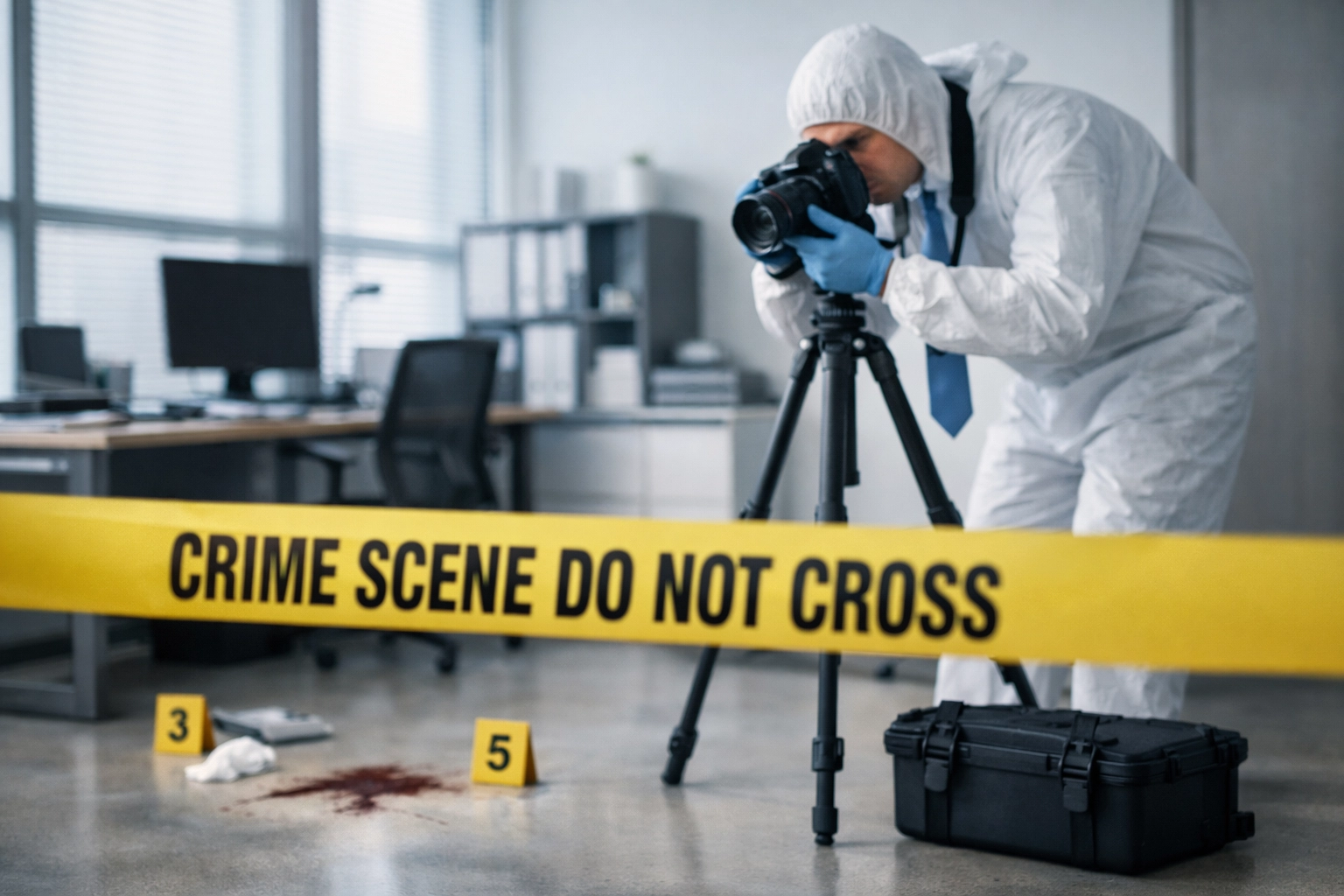
2. Your Crime Scene Was Compromised
Contaminated evidence is inadmissible evidence. If unauthorized personnel accessed your scene, if items weren't properly sealed, or if the environment wasn't secured before collection: you've got problems.
Cross-contamination destroys forensic value. One mishandled sample can torpedo your entire case.
The Fix: Secure the scene immediately. Limit access to essential personnel only. Use proper containment and sealing protocols. Document the scene before anyone touches anything. Photography isn't optional: it's essential.
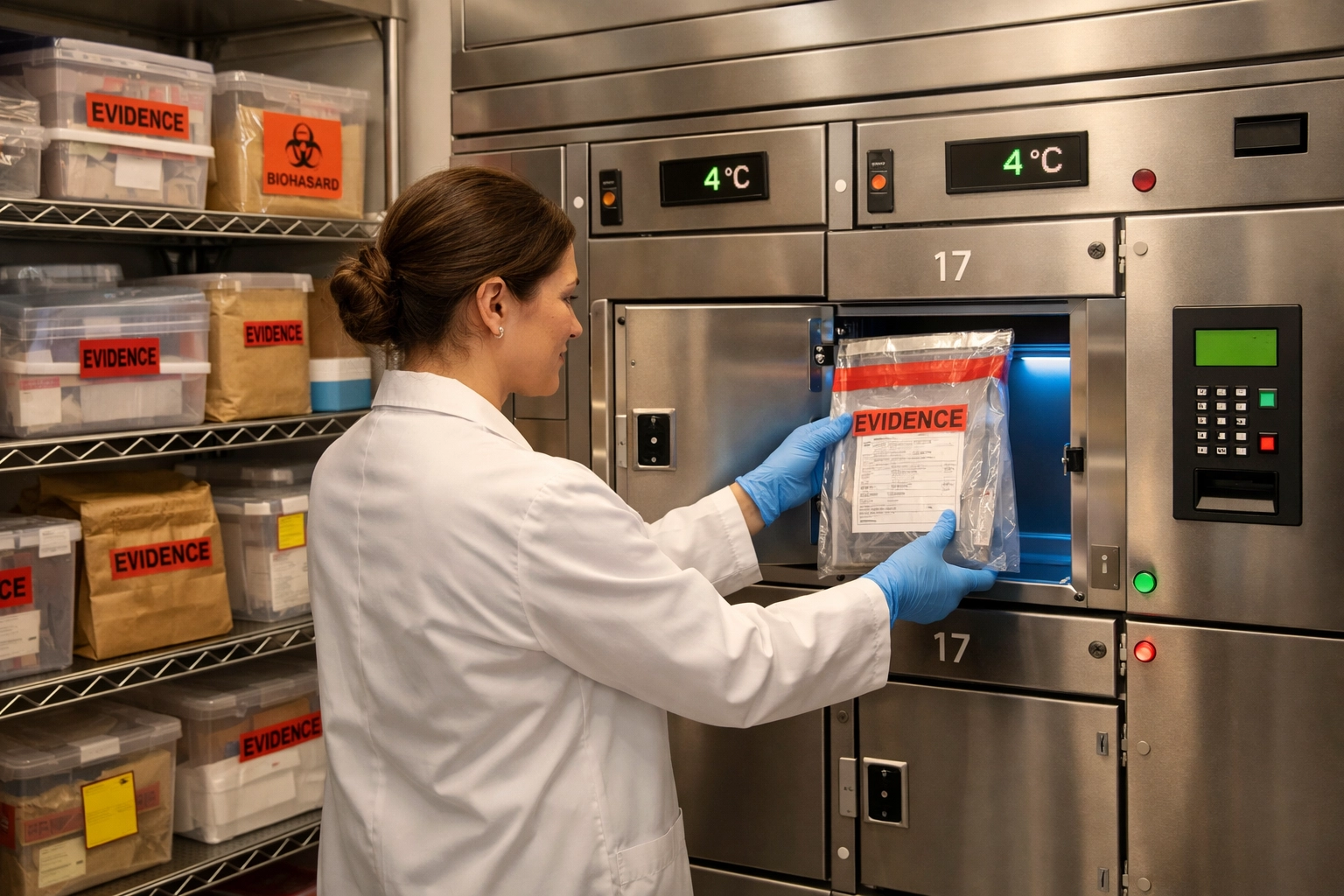
3. You Stored Evidence Improperly
Biological samples degrade. Digital evidence corrupts. Physical items deteriorate. Storage conditions matter more than you think.
Temperature fluctuations, moisture exposure, and improper containers can render evidence scientifically invalid. Your lab won't be able to analyze it. Your expert won't be able to testify about it.
The Fix: Follow strict storage protocols. Biological samples need temperature-controlled environments with monitoring. Digital evidence requires forensic imaging and secure storage. Physical items need proper containers and climate control. Don't improvise.
4. Your Analyst Wasn't Qualified
Courts scrutinize expert qualifications relentlessly. If your forensic analyst lacks proper training, relevant experience, or current certifications, their testimony won't survive cross-examination.
New analysts make mistakes. Improperly trained technicians miss details. Courts won't accept analysis from someone who isn't demonstrably competent.
The Fix: Verify credentials before engaging analysts. Ensure they have extensive education in their field, relevant certifications, and documented experience with your type of evidence. Their CV should withstand aggressive questioning.
5. Your Lab Equipment Wasn't Calibrated
Forensic equipment must be properly maintained and regularly calibrated. Broken instruments produce unreliable results. Improperly calibrated machines generate data that defence teams will shred.
Equipment failures create reasonable doubt. That's the death of criminal prosecutions and civil cases alike.
The Fix: Implement rigorous equipment maintenance schedules. Document calibration dates and results. Keep maintenance logs. Ensure your lab follows accredited standards for equipment verification. No shortcuts.
6. You Used Outdated Methods
Forensic science evolves. What was acceptable ten years ago might be scientifically invalid today. Courts now reject techniques that seemed reliable in the past but don't meet current scientific standards.
Defence experts will expose outdated methodology. Judges will question reliability. Your case will suffer.
The Fix: Stay current with evolving forensic standards. Validate your methods against today's scientific consensus. Use peer-reviewed techniques. Don't rely on "we've always done it this way" as justification.
7. You Misinterpreted the Results
Forensic analysis involves interpretation. And interpretation introduces subjectivity. Analysts who overstate certainty, misread data, or draw unsupported conclusions create vulnerable testimony.
Courts require objective, scientifically sound interpretations. Not guesswork. Not assumptions. Evidence-based conclusions.
The Fix: Establish clear protocols for objective analysis. Require multiple reviewers for critical interpretations. Don't let analysts overstate certainty. Ensure conclusions align with actual data, not speculation.
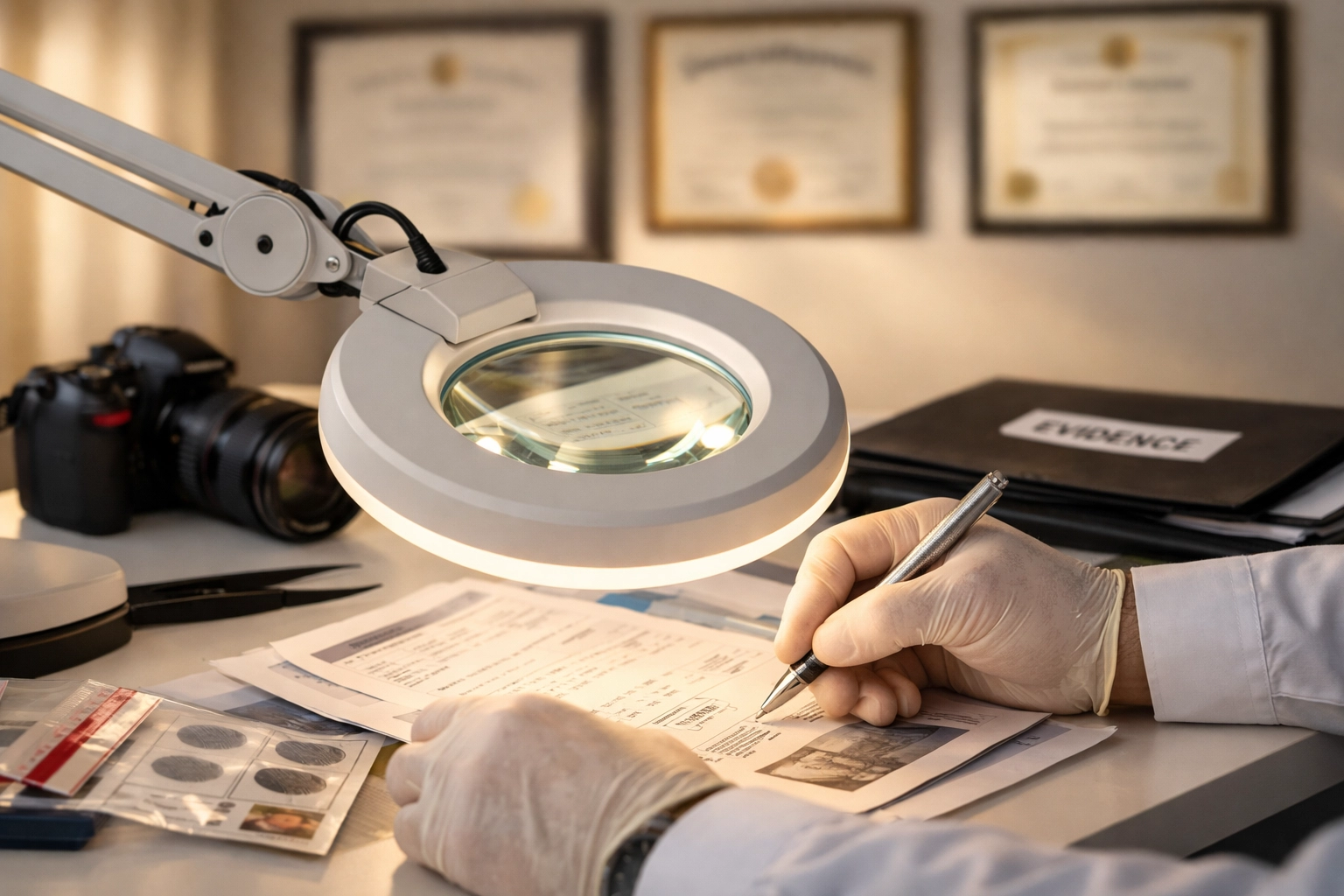
8. Your Reports Were Vague or Misleading
Forensic reports must be comprehensive, clear, and accurate. Vague language creates confusion. Omitted facts create suspicion. Overstated certainty creates credibility problems.
Defence teams exploit poor reporting. They'll highlight every ambiguity, every omission, every exaggeration. Your report becomes a liability instead of an asset.
The Fix: Require detailed, transparent reporting. Include methodology, limitations, and caveats. Don't overstate conclusions. Don't omit unfavorable findings. Comprehensive reporting withstands scrutiny. Incomplete reporting doesn't.
9. You Didn't Collect Enough Samples
Small sample sizes undermine reliability. Limited evidence creates analytical weaknesses. Defence experts will challenge conclusions based on insufficient samples.
Courts want robust evidence. One swab isn't enough. One photograph isn't enough. One witness statement isn't enough.
The Fix: Collect adequate samples when possible. Document why sample size is limited if you can't collect more. Ensure your analysis acknowledges sample limitations. Don't claim certainty when your sample size doesn't support it.
10. You Violated Constitutional Rights
This is the killer. Evidence obtained through illegal searches, seizures without warrants, or interrogations without proper Miranda warnings gets suppressed. Every time.
Procedural violations destroy cases. It doesn't matter how compelling your evidence is if you obtained it illegally. The court won't see it.
The Fix: Know the law. Understand warrant requirements. Read suspects their rights properly. Stay within warrant boundaries. When in doubt, consult legal counsel before proceeding. Prevention beats litigation every time.
The Bottom Line
Evidence fails for predictable reasons. Chain of custody failures. Contamination. Storage problems. Analyst incompetence. Equipment failures. Outdated methods. Poor interpretation. Inadequate reporting. Insufficient samples. Constitutional violations.
You can fix every single one of these problems with proper procedures and attention to detail.
Why This Matters Now
Investigation standards are rising. Courts are more sophisticated. Defence teams are better equipped. You can't afford sloppy evidence collection or analysis anymore.
Your case depends on evidence that survives judicial scrutiny. Build it right from the start.
Get Expert Support
Complex investigations require specialized expertise. Evidence collection, forensic analysis, and courtroom testimony demand professional handling.
We know what courts require. We understand evidence standards. We've built cases that hold up under aggressive cross-examination.
Don't let preventable mistakes destroy your investigation. Get proper support from the start.
Your evidence matters. Make sure it counts.

Share This Story, Choose Your Platform!